GLPs, Peptides & Menopause: What I’ve Learned
(And Why I Changed My Mind)
A free educational seminar for women in midlife who feel stuck —
and want clarity before making decisions.
Design Systems
Web Apps
Email Templates
.
.
Branding
.
Graphic Designing
.
UX/UI


Web Apps
.
Design Systems
.
Email Templates
.
Branding
.
Graphic Designing
.
UX/UI
For a long time, I was
skeptical of GLP medications.
II was trained to believe:
Eat well.
Lift weights.
Manage stress.
There’s always a better way than medication.
And for many women — lifestyle absolutely matters.
But after deeper training in peptide science and GLP-based therapies, I realized something important:
-Some women experience relentless food noise.
-Some have insulin resistance that doesn’t respond to “try harder.”
-Some carry trauma patterns around eating.
-Menopause shifts biology in ways that require updated strategies.
There is more nuance to this conversation than I once believed.
WHAT THIS SEMINAR COVERS
In this educational workshop, I’ll explain:
✔ What GLP-1 medications actually do in the body
✔ The potential benefits beyond appetite regulation
✔ The risks no one talks about (including muscle loss)
✔ Why bloodwork must come first
✔ How medical oversight protects you
✔ How peptides may support gut health, muscle, recovery, and metabolic health
✔ When this may be appropriate — and when it’s not
This is not about shortcuts.
It’s about informed decisions!
WHO THIS IS FOR
This seminar is for you if:
You’re in perimenopause or post-menopause
You’ve been consistent but feel stuck
You're challenged by joint pain and inflammation
You’re curious but cautious about GLPs and peptides
You value education over hype
If you’re looking for a magic pill, this won’t be that.
If you’re looking for clarity, this will help.
IMPORTANT CLARITY
I do not diagnose or prescribe medication.
I now partner with a licensed telehealth medical network so that:
• Comprehensive labs come first
• Medical providers handle prescriptions
• Coaching protects muscle and metabolism
• Strength training and protein remain non-negotiable
Coaching protects lng-term health.
HOSTED BY
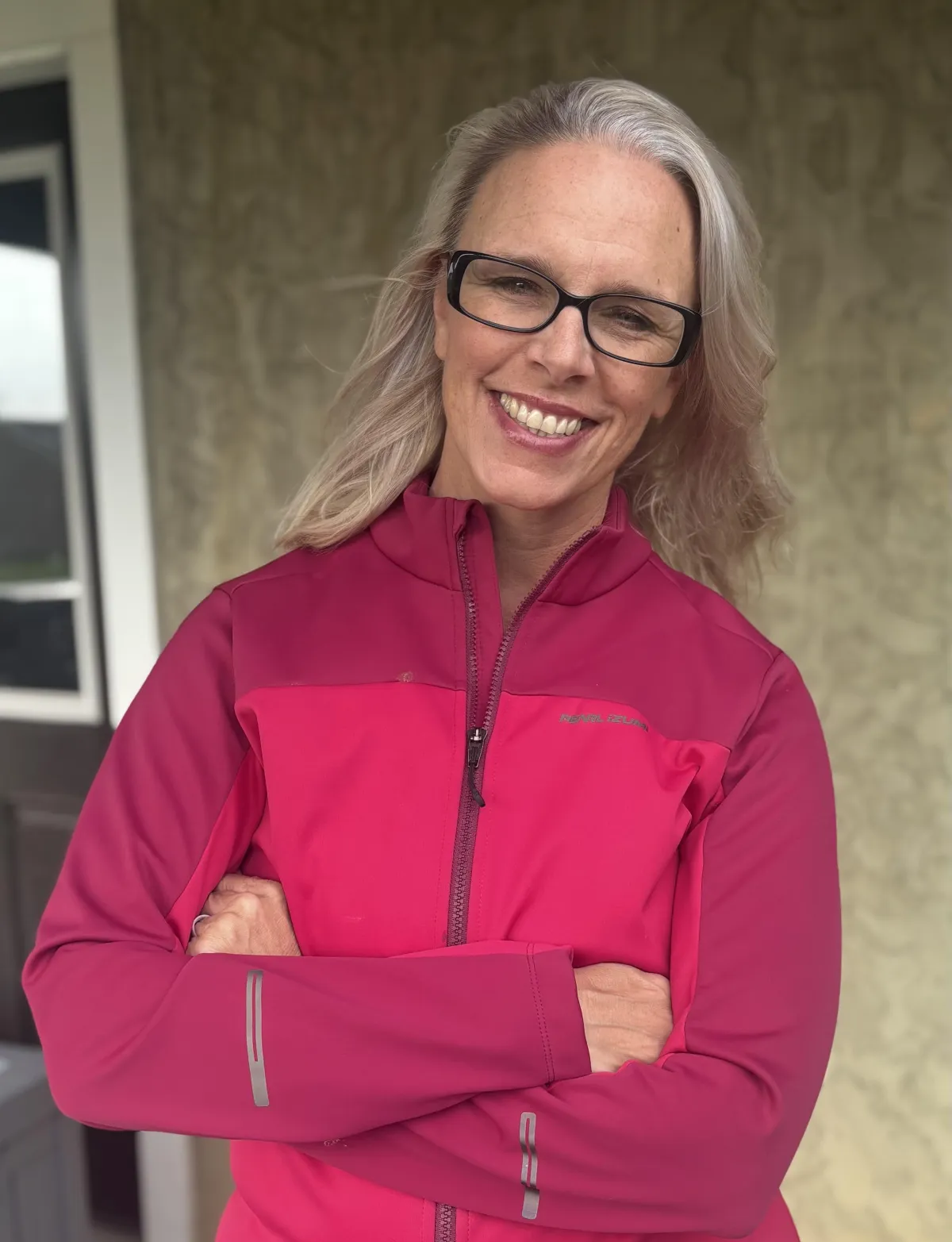
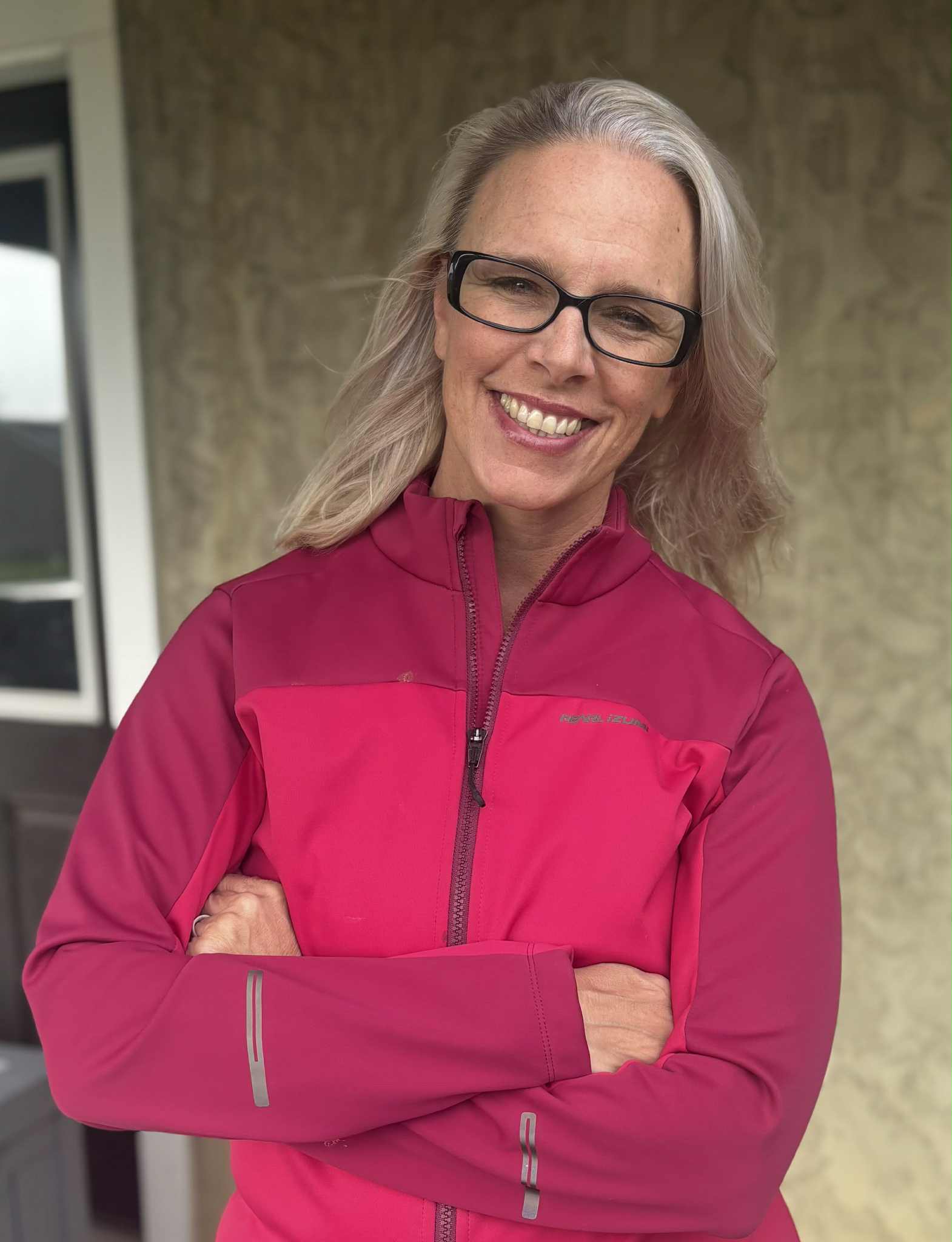
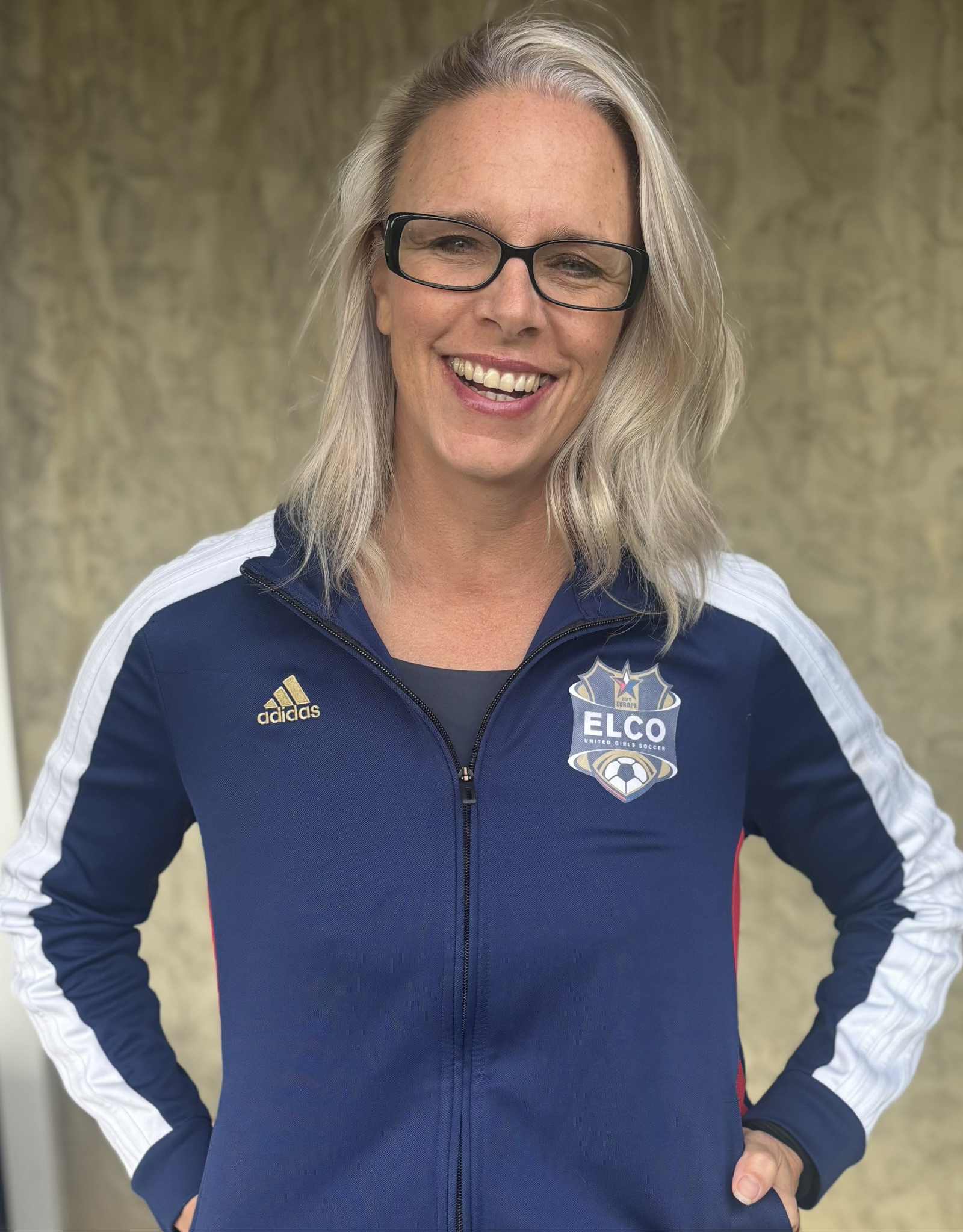
KRISTEN NELSON
Kristen is a certified personal trainer and nutrition coach with advanced certifications in weight loss, behavior change, sports nutrition, peptides, and blood work analysis.
When she hit menopause—after years of helping other women succeed—everything changed. Despite doing all the “right” things, the weight wouldn’t budge, and she saw the same frustration in her clients. That led her to dig deeper into insulin resistance and midlife metabolic shifts.
Initially skeptical of GLP-1 therapies like Ozempic and Zepbound, she researched the science and implemented a personalized peptide protocol. The results were significant: reduced inflammation, clearer thinking, better sleep, balanced appetite, and progress with stubborn belly fat.
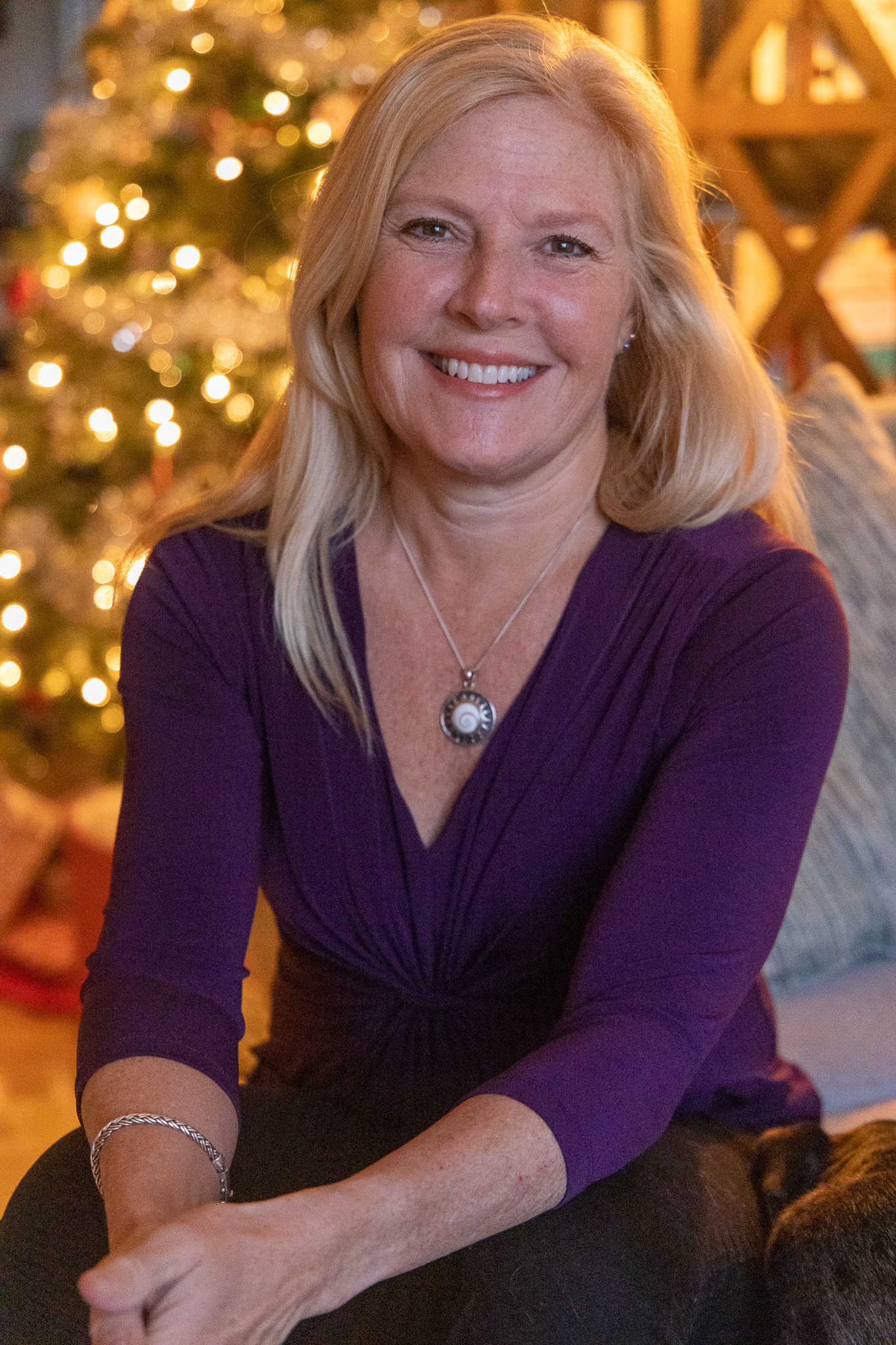
Expert Guest - Michele Meinville
Michele is a Certified Personal Trainer, Nutrition & Accountability Coach, Menopause & Hormone Wellness Specialist with 30+ years experience. She holds many certificates and credentials, more recently Medical Fitness Specialist, Multiple Sclerosis, Interpreting labs & peptides & GLPs.
Michele is passionate about helping midlife women feel like themselves again. She has extensive experience with mobility issues, prior injuries, post surgery (knee/hip replacements, breast implants, spinal fusions/laminectomy) and perimenopause/menopause.
What Peptides, GLPs and Coaching DO-
The merging of Behavioral Change with Biological Support which is CRUCIAL during menopause.
As hormones shift, the body becomes more resistant to the old “eat less, move more” approach. It’s not a lack of discipline—it’s physiology.
Nutrition coaching builds the habits that support metabolism, muscle, blood sugar balance, sleep, and stress.
Peptide therapy, when medically supervised, may support the underlying biology—helping with insulin sensitivity, appetite regulation, and fat metabolism.
Together, they align behavior with biology, so a menopausal woman isn’t fighting her body—but finally working with it.